
Ex Lab: Video Library
This resource serves as a comprehensive video library, offering a collection of exercises along with cues to ensure proper technique and execution.
Users can easily navigate through various exercises to enhance their understanding and performance, benefiting from visual guidance and expert tips. Whether you're a beginner or looking to refine your skills, this library is designed to support your sport performance journey effectively.

phase 1
Preparatory Phase
SMR - Self Myofascial Release
Self myofascial release (SMR) is a technique used to relieve muscle tightness and improve mobility by applying sustained pressure to specific areas of the body. It involves using tools such as foam rollers, massage balls, or even hands to target fascia, the connective tissue surrounding muscles. By promoting blood flow and breaking down adhesions, SMR aids in reducing pain, enhancing recovery, and improving overall movement patterns. This self-care method is often utilized by athletes and individuals seeking to alleviate discomfort and enhance physical performance.


Mobility
Mobility plays a crucial role in sports performance as it directly affects a player's ability to execute movements efficiently and safely. Good mobility enhances flexibility, range of motion, and coordination, allowing athletes to perform specific skills with precision. It reduces the risk of injury by promoting proper joint function and muscle balance, which is vital for optimal performance during training and competition. Additionally, improved mobility supports recovery and overall physical conditioning, ensuring athletes can maintain high levels of performance over time. Emphasizing mobility in training regimens can significantly contribute to the success of an athlete across various sports.
phase 2
Movement Patterning Phase
Movement PreP - Dynamic Warmup
Movement preparation | Dynamic warm-up are essential components of an effective training regimen. They serve to prepare the body for physical activity by increasing blood flow, elevating muscle temperature, and enhancing joint mobility. A dynamic warm-up includes movements that mimic the exercises to be performed, thereby activating the muscles and nervous system while improving coordination and balance.
Saq - speed Agility quickness
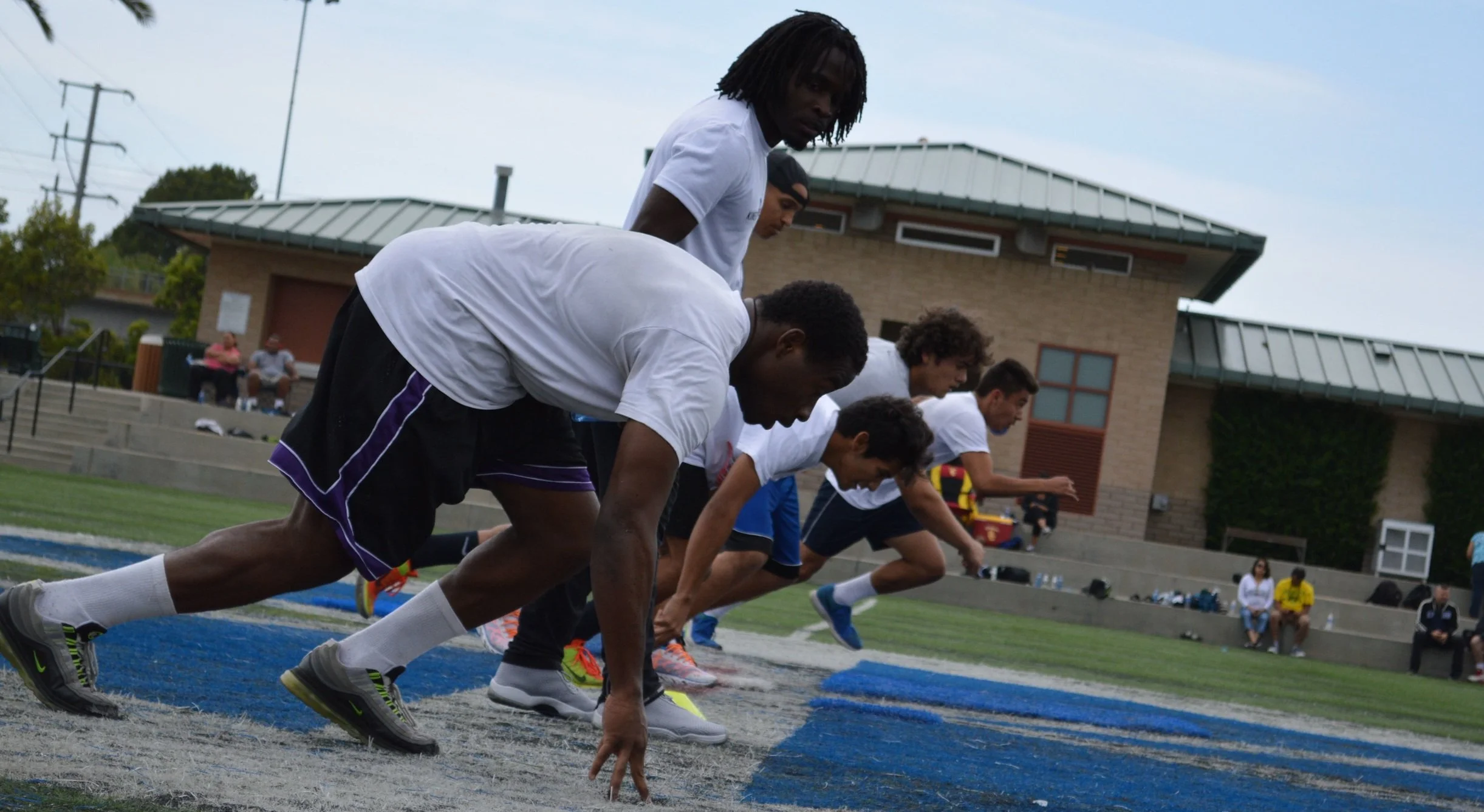
Speed and agility are fundamental components of athletic performance, crucial across various sports. Speed refers to the ability to cover distance quickly, enabling athletes to outpace competitors and capitalize on opportunities. It is frequently quantified by the time taken to sprint a specific distance, emphasizing both raw velocity and quickness.
Agility, contrastingly, encompasses the capacity to change direction swiftly and with precision. This skill requires a blend of balance, coordination, and reaction time, allowing athletes to effectively navigate dynamic environments and adapt to rapid changes during play. It is particularly vital in sports that require evasive maneuvers, quick pivots, and sudden stops. In summary, the mastery of speed and agility significantly uplifts an athlete's performance while also bolstering their long-term sustainability and safety in competitive sports.
phase 3
Power Phase
Olympic Lifts
Olympic lifts, such as the clean and jerk and the snatch, are instrumental in enhancing sport performance, particularly concerning speed and agility. These lifts demand explosive force production, which directly translates to improved power output during athletic movements. By engaging multiple muscle groups simultaneously, Olympic lifts promote greater strength, coordination, and balance, all of which are essential for quick directional changes and rapid acceleration. The nature of these lifts requires athletes to maintain precise body control, thereby refining their reaction time and overall agility. As a result, integrating Olympic lifts into a training regimen can lead to significant advancements in an athlete's ability to perform under the dynamic conditions typical in competitive sports, ultimately contributing to enhanced performance and reduced risk of injury.
Plyometics
Plyometric training plays a crucial role in improving sport performance by enhancing an athlete's explosive strength, speed, and agility. This type of training involves rapid and powerful movements, such as jumps and bounds, which increase the efficiency of the neuromuscular system. By incorporating plyometric exercises, athletes develop not only muscle power but also coordination and balance, essential for executing quick movements in competitive situations. The repetitive nature of plyometrics stimulates muscular adaptations, leading to improved force output and quicker reaction times. Consequently, integrating plyometric training into an athlete's regimen can significantly elevate their performance capabilities, particularly in sports requiring rapid changes in direction and acceleration. Additionally, through improved muscle elasticity and joint stability, plyometrics contribute to a reduced risk of injury, allowing athletes to maintain peak performance levels throughout their competitive seasons.


phase 4
Strength Phase
Lower body Push
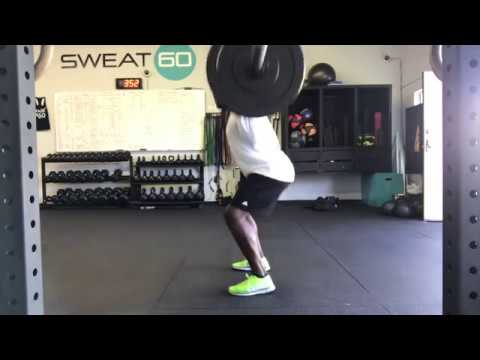
Lower body push exercises are fundamental in a sport performance program, as they primarily target the major muscle groups of the legs, including the quadriceps, hamstrings, glutes, and calves. These exercises, which include squats, lunges, and step-ups, enhance overall lower body strength, power, and endurance, which are critical in many sports.
Strength in the lower body allows athletes to generate and apply force more efficiently during various movements, such as sprinting, jumping, and changing direction. It also plays a vital role in maintaining stability and balance, which are crucial for executing sport-specific skills effectively.
By integrating lower body push exercises into their training, athletes can enhance their explosive strength and overall power output, crucial for achieving optimal performance in high-intensity sports. This foundational strength supports the demands of plyometric movements, leading to improved agility and reaction times. Ultimately, lower body push exercises are essential for athletes seeking to maximize their potential in sports that require explosive movements and sustained power.




Lower body Pull
Lower body pull exercises are essential components of a sport performance program, as they effectively engage key muscle groups, including the hamstrings, glutes, and lower back. These exercises, such as deadlifts, hip thrusts, and Romanian deadlifts, play a significant role in developing posterior chain strength, which is critical for overall athletic performance. A strong posterior chain enhances an athlete's ability to produce power and stability during explosive movements, contributing significantly to activities such as sprinting, jumping, and multi-directional movements.
Incorporating lower body pull exercises into training regimens helps athletes improve their force generation and control during dynamic situations. This strength not only aids in producing powerful movements but also assists in the prevention of injuries by promoting proper movement mechanics. Additionally, these exercises facilitate better posture and alignment, which are vital for performing sport-specific skills effectively.
By focusing on lower body pull exercises, athletes can achieve a balanced lower body strength profile, supporting their overall athletic development. The integration of these exercises can ultimately lead to improved performance in high-intensity sports, where the ability to effectively engage the posterior chain is paramount for both power and endurance during competition.


Upper Body Push
Upper body push exercises are vital components of a sport performance program, playing a crucial role in developing strength, stability, and power in athletes. These exercises engage primary muscle groups such as the chest, shoulders, and triceps, which are essential for various athletic movements, including throwing, pushing, and lifting. Incorporating upper body push exercises—such as bench presses, push-ups, and shoulder presses—enhances an athlete's ability to generate force and maintain control during high-intensity performance.
Strengthening the upper body not only contributes to improved performance in activities requiring upper body engagement but also supports overall kinetic chain efficiency. A well-developed upper body can aid in injury prevention by promoting proper biomechanics and reducing the risk of strains. Furthermore, these exercises can contribute to better posture and alignment, which are necessary for executing sport-specific skills effectively.
By focusing on upper body push exercises, athletes can create a balanced strength profile that is crucial for their overall development. The integration of these exercises can lead to significant improvements in competitive performance, particularly in sports that require powerful upper body actions, contributing to both strength and endurance during events.





Upper Body Pull
Upper body pull exercises are key elements of a sport performance program, serving to enhance strength, stability, and power for athletes. These exercises engage crucial muscle groups, including the back, biceps, and rear shoulders, which are vital for various athletic movements such as pulling, lifting, and stabilization during dynamic actions. Incorporating upper body pull exercises, such as pull-ups, rows, and lat pulldowns, allows athletes to develop essential pulling strength that complements their overall performance.
Strengthening the upper body through pull exercises not only fosters enhanced muscle coordination and control but also contributes to maintaining proper alignment and posture. These factors are important for executing movements with efficiency, thereby reducing the likelihood of injury. Furthermore, well-developed pulling muscles can help maintain balance and stability in sports that require quick changes in direction or intricate upper body movements.
By emphasizing upper body pull exercises, athletes can achieve a balanced strength profile, crucial for their growth and development. This integration is particularly beneficial for performance in sports that demand dynamic upper body actions, facilitating improvements in both strength and endurance during competition.


Pillar Development - Abs
Abdominal development plays a crucial role in a sport performance program, as a strong core is foundational for overall athletic capability. The core includes not only the abdominal muscles but also the muscles in the lower back, hips, and pelvis. A well-developed core enhances stability, balance, and power transfer during various athletic movements, including running, jumping, and changing direction.
Incorporating exercises that target the abdominal muscles, such as planks, sit-ups, and rotational movements, contributes to improved performance by promoting better posture and alignment. This is particularly important during dynamic tasks, where a strong core helps to maintain control and minimize the risk of injury. Additionally, a stable core supports upper and lower body coordination, enabling athletes to execute complex movements more effectively.
Moreover, strong abdominal muscles contribute to endurance and reduce fatigue by providing a stable base for movement, allowing athletes to perform at their best throughout their competition. In essence, prioritizing abdominal development within a sport performance program supports athletic performance and enhances overall physical capability, making it an essential component of training regimens.


